


Tomato Paste: A Key Ingredient in Iranian Cuisine
Tomato paste is one of the most widely used and popular condiments in Iranian cooking, serving as a base for a variety of dishes. This product is made from fresh tomatoes and, thanks to its thick texture and vibrant color, is used in many recipes. Understanding the production process, types, and benefits of tomato paste can help consumers choose a high-quality and suitable product.
In this article, we provide a comprehensive overview of tomato paste, from production stages to important storage tips.
How to Make Tomato Paste: How to Keep It Red?
To prepare tomato paste, follow these steps:
-
Select Tomatoes: Choose ripe and fresh tomatoes. Red, healthy tomatoes improve the paste’s quality and color.
-
Wash and Chop: Wash thoroughly and cut into small pieces.
-
Initial Cooking: Cook chopped tomatoes in a large pot over low heat until soft and their juice is released.
-
Strain: Pass the cooked tomatoes through a sieve to remove skin and seeds; a food processor or grinder can also be used.
-
Final Cooking: Cook the strained tomato juice again over low heat, stirring constantly until thick. Add a pinch of salt and let it cool.
-
Storage: Pour cooled paste into clean glass jars and refrigerate.
Tips for a Vibrant Red Paste:
-
Use ripe, red tomatoes: Fully ripe, deep-red tomatoes ensure the best color.
-
Cook on low heat: High heat can darken the paste; slow cooking preserves natural color.
-
Add a little oil: A few drops of olive or vegetable oil at the final stage enhance shine and redness.
-
Use copper or enamel pots: Ensures even heat distribution and better color retention.
Health Benefits of Tomato Paste
Tomato paste is rich in antioxidants like lycopene, which boosts the immune system and reduces the risk of heart disease. It also aids digestion and reduces inflammation.
Benefits for Skin:
Lycopene protects the skin from UV damage, preventing premature aging and wrinkles. Topical use of tomato paste as a natural mask can brighten skin, reduce dark spots, and improve texture. Apply for a few minutes and rinse with warm water for a fresher, youthful look.
Tomato Paste Production Line
-
Receiving and Unloading: Tomatoes are weighed, inspected, and transferred to water tanks.
-
Washing and Sorting: Multiple washes remove impurities; sorting machines remove damaged tomatoes.
-
Chopping: Clean tomatoes are crushed in a crusher.
-
Preheating and Enzyme Inactivation: Chopped tomatoes are heated to 85°C to deactivate enzymes and improve consistency.
-
Straining: Skin and seeds are removed, and the juice is stored.
-
Concentration: Juice is concentrated under vacuum and heat to the desired thickness, preserving quality and color, using batch or continuous concentrators.
-
Filling and Sealing: Thickened paste is hot-filled into jars or cans and sealed.
-
Pasteurization: Containers enter a tunnel at 90°C to eliminate microbes, extending shelf life.
Choosing the Best Tomato Paste in Iran
Iranians value high-quality tomato paste for its impact on color, taste, and health. To select the best paste:
-
High-quality ingredients: Fresh, ripe, and red tomatoes.
-
Natural taste and aroma: Free from artificial flavors or preservatives.
-
Proper thickness: Concentrated paste with low water content.
-
No artificial preservatives: Stored using traditional or advanced methods.
-
Natural red color: Deep red without unnatural additives.
-
Balanced salt and acidity: Ensures taste and shelf life without excessive salt.
Homemade Tomato Paste
Many prefer homemade tomato paste or organic varieties. Homemade paste generally has better taste and quality, free of preservatives, and allows control over salt and additives. However, it has shorter shelf life and requires refrigeration, with hygiene during preparation being crucial.
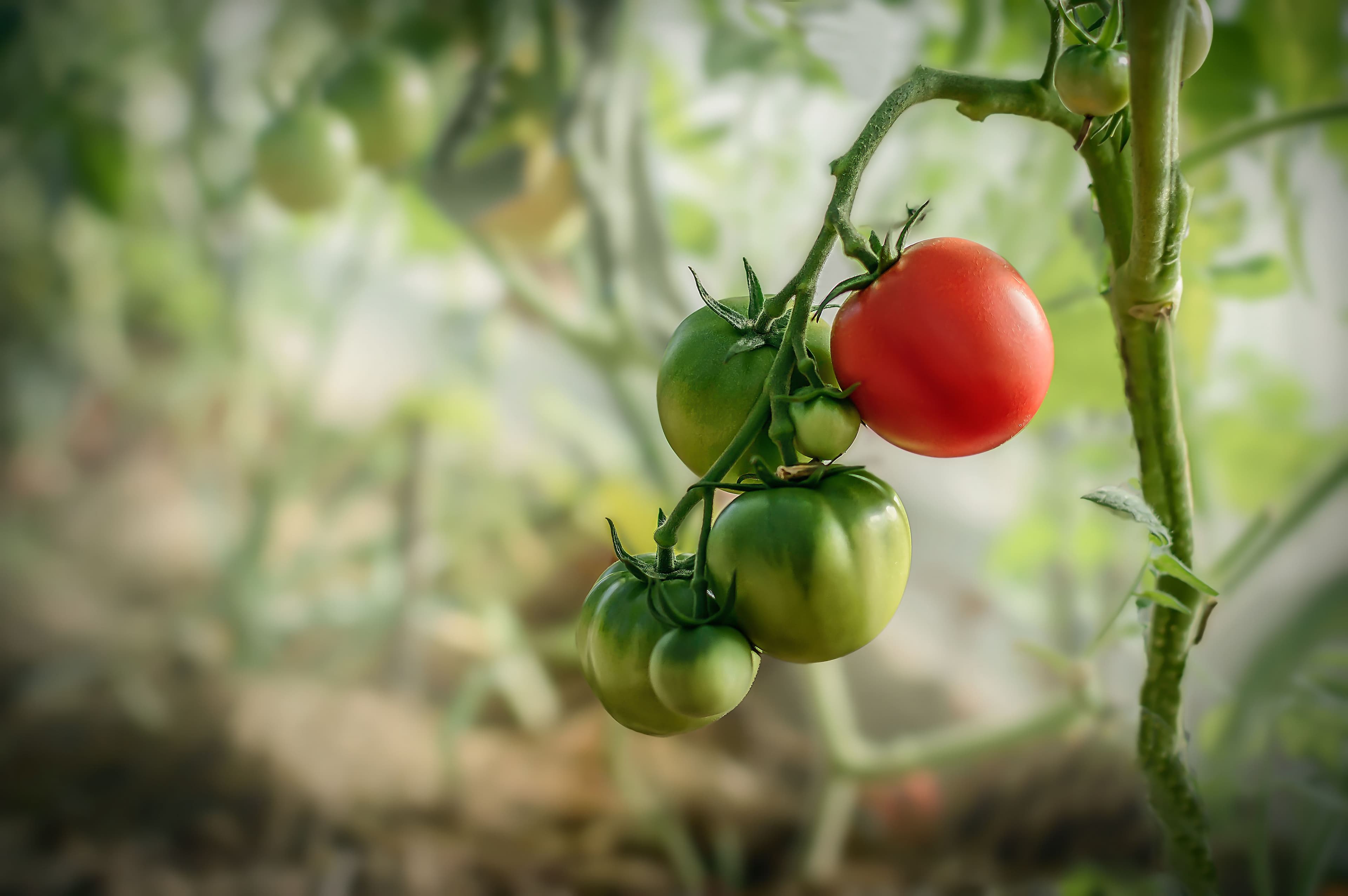
How to Make Homemade Tomato Paste
Making homemade tomato paste is simple. Just take some fresh, red, and ripe tomatoes, wash them, chop them, and cook over low heat. Then, strain the mixture to remove the seeds, and cook again over low heat until it thickens. Finally, add a little salt and store it in the refrigerator.
Types of Tomato Paste
Tomato paste can be divided into several main types:
-
Homemade Tomato Paste: Made without preservatives or chemical additives, with a natural and pure flavor. Its color and taste are usually better than industrial types, but it has a shorter shelf life.
-
Industrial Tomato Paste: Produced in large quantities, often containing preservatives to extend shelf life. Made using industrial processes, it has a longer shelf life.
-
Salt-Free Tomato Paste: Produced for people with salt restrictions. It is healthier but may taste slightly different and spoil faster.
-
Organic Tomato Paste: Made from organic tomatoes without chemical fertilizers or pesticides. This type is more natural and healthier, but more expensive.
-
Aseptic Tomato Paste: Made using high-temperature sterilization and packaged in sterile containers (usually special bags). The main advantage is long shelf life without preservatives.
-
Canned Tomato Paste: Packaged in metal cans or glass jars, often containing salt or preservatives to extend shelf life.


