
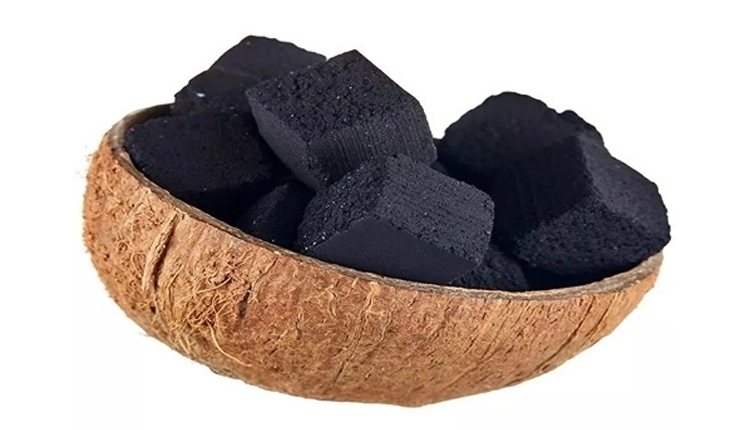

Compressed Charcoal Production from Pistachio Shells: From Raw Materials to Packaging
Compressed charcoal production is one of the modern and economical methods for recycling agricultural waste. Pistachio shells, due to their high calorific value, are considered one of the best raw materials for producing high-quality charcoal. Moreover, selecting the right machinery and production line directly affects quality, cost, and efficiency. Among industry leaders, Nasiri Industrial Group plays an important role in providing compressed charcoal production machinery.
Below, we review the main steps in producing compressed charcoal from pistachio shells:
Collection and Preparation of Pistachio Shells

The process begins when pistachio shells, which are normally discarded, enter the production cycle. These shells are first cleaned, and impurities are removed to prepare them for the next stage: heating.
Entering the Furnace and Carbonization

Next Stage: Grinding and Carbonization
In the next stage, pistachio shells are placed in industrial heating furnaces, where they are dried and converted into “premium carbon” under specific temperatures and conditions. The quality of the produced carbon forms the foundation for the final charcoal quality.
Grinding and Turning into Paste

The carbon removed from the furnace is ground into a very uniform powder. It is then mixed with specific amounts of binder and water in a mixer, forming a homogeneous paste that is ready for compression.
Compression in the Extruder

The prepared paste is fed into the extruder, where it is compressed under high pressure. In this stage:
-
Excess air is expelled
-
The shape of the charcoal is determined (various molds such as hexagonal, round, pentagonal, etc.)
-
The initial compressed charcoal product is formed
This is where the choice of the right machine becomes crucial; the quality of compression, uniformity, and shaping depends directly on the design and performance of the equipment.
Cutting and Resting Stage

After exiting the extruder, the charcoals are cut into the desired sizes. They then enter the resting and final drying stage, where any remaining moisture is removed and the necessary strength is achieved.
Final Packaging
The dried and ready charcoals are packaged in 1 kg and 10 kg packs. Proper packaging design helps attract customers and increases visibility in the market.
-
Design and production of compressed charcoal production lines with the option to use single-phase or three-phase electricity, using affordable and easily accessible raw materials.
-
Provision of various machines and equipment, including charcoal kilns, cutting machines, complete production lines, and spare parts.
-
Ability to produce diverse charcoal shapes (round, star-shaped, square, pentagonal, etc.), increasing product variety for the manufacturer.
-
After-sales service and consultation for setting up the production line (specifically for waste peeling, charcoal production, etc.).
Conclusion
If you are looking to start a business in compressed charcoal production, the right combination of high-quality raw materials (like pistachio shells) and a reliable production line and equipment (such as those offered by Farna Food Group) can make your path much smoother.
Compressed charcoal production, in addition to being economically profitable, also significantly contributes to recycling agricultural waste and protecting the environment.


