
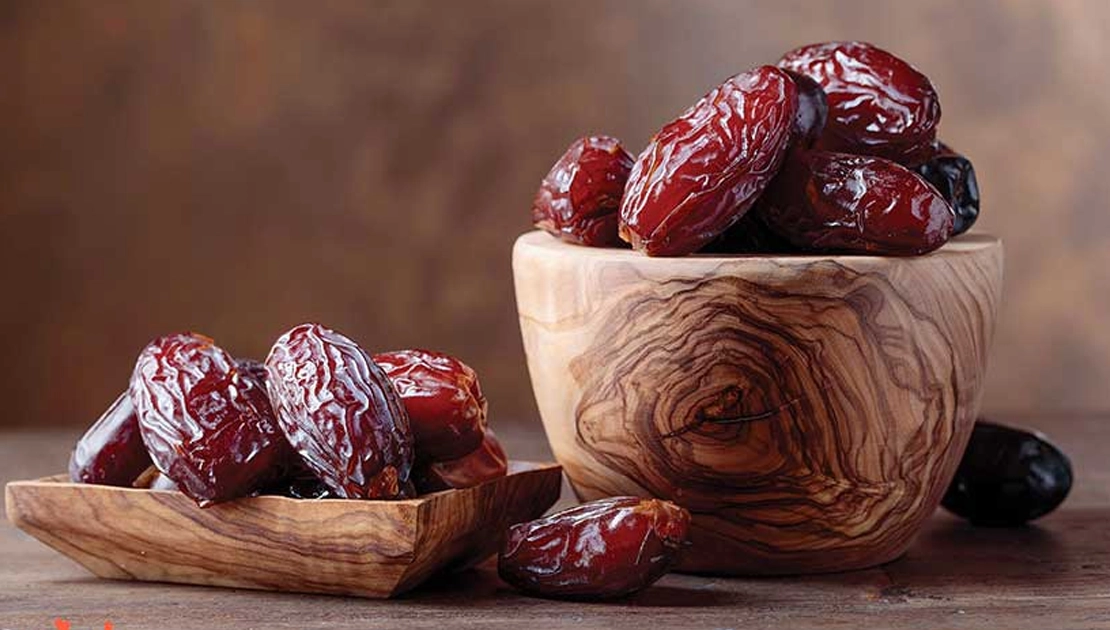
All About Kabkab Dates: From Its Nature and Nutritional Value to Its Benefits

Kabkab Dates, also known as Dashtestan Dates, are one of the traditional Iranian date varieties. After Mazafati Dates, they are reported to have the second highest consumption in the country.
These delicious dates have a balanced sweetness and a warm, moist nature. Rich in nutrients such as iron, calcium, fiber, potassium, magnesium, and vitamins B & C, Kabkab Dates are beneficial in strengthening bones, supporting heart health, improving digestive issues, reducing bloating, combating anemia, alleviating stress, and addressing many other health concerns.
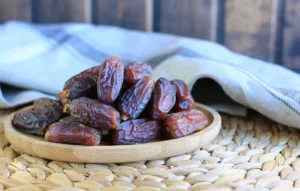
Kabkab Dates, one of Iran’s export-quality dates, are harvested at the Khark (unripe) stage and must be allowed to ripen into Rutab and brown-colored dates before consumption. Each oval-shaped date, which grows easily in tropical conditions and whose palms are found in most southern regions of Iran, weighs on average 15 grams and measures about 4 cm in length. In addition to being consumed as a snack, Kabkab Dates are also used in sweets and desserts and have therapeutic applications.
Contents:
-
What are Kabkab Dates?
-
Nature of Kabkab Dates
-
How many calories do Kabkab Dates have?
-
Nutritional Table of Kabkab Dates
-
Types of Kabkab Dates
-
Benefits of Kabkab Dates
-
Differences between Kabkab and other dates
-
How to store Kabkab Dates
-
Kabkab Dates Buying Guide
-
Purchase Kabkab Dates
If you are a date enthusiast, continue reading to explore the features and benefits of this delicious and popular date, helping you choose high-quality Kabkab Dates.
What are Kabkab Dates?
Kabkab is one of the most famous and popular Iranian dates, ranking second after Mazafati Dates in production share. This tasty and nutritious date can be included in various dietary plans. To transform into the sweet, honey-like final stage, Kabkab Dates go through several ripening stages known as Hababouk (first stage, firm and green), Kimri, Khark, Dambaz, Rutab, and finally date.
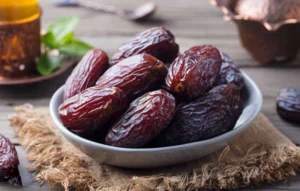
This nutritious fruit, which contributes to a portion of Iran’s date exports, is cultivated in many southern regions of the country. Depending on the area where it is grown, its sweetness and moisture content may vary.
What is the Nature of Kabkab Dates?
With its honey-like syrup and appealing texture, Kabkab Dates have a warm and moist nature, making them an excellent choice for balancing the temperament of individuals with a cold constitution. If you have a cold temperament, it is highly recommended to include these dates in your diet.
However, despite the numerous benefits of Kabkab Dates, those with a warm constitution should consume them in moderation, as excessive intake may cause redness, inflammation, itching, or small skin eruptions in such individuals.
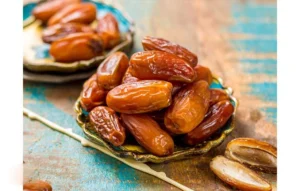
Nutritional Table of Kabkab Dates (per 40g)
| Nutrient | Amount |
|---|---|
| Calories | 111.2 kcal |
| Carbohydrates | 26.2 g |
| Fat | 0.52 g |
| Protein | 0.44 g |
| Natural Sugar | 25.52 g |
| Sodium | 0.44 g |
| Saturated Fatty Acids | 0.33 g |
Types of Kabkab Dates
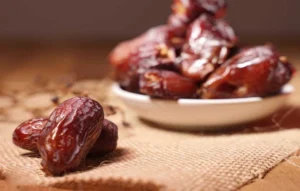
As mentioned earlier, Kabkab Dates go through six stages from fruit formation (Hababouk) to the final stage when the date is fully ripened and brown. The main types of Kabkab Dates are Khark, Rutab, and fully ripened dates, classified according to their harvesting stage. Khark Kabkab, which is yellow, is relatively bitter and unripe, and not suitable for consumption. However, in the Rutab and fully ripened stages, the dates turn light brown to dark brown, becoming sweet, mature, and suitable for various uses.
Benefits of Kabkab Dates
In general, dates are a delicious, nutritious fruit, rich in iron, vitamins, natural sugars, fiber, and more, providing energy and essential nutrients throughout the day. Some key benefits of Kabkab Dates include:
-
Bone Strengthening: Kabkab Dates are rich in calcium, which helps strengthen bones and protect them.
-
Digestive Health: High in fiber, these dates aid digestion and help prevent constipation.
-
Anemia Treatment: A natural source of iron, Kabkab Dates help improve hemoglobin levels and combat anemia.
-
Reducing Bloating: The fiber, minerals, and vitamins help improve digestive function and reduce bloating.
-
Brain Function: Rich in potassium, magnesium, and B vitamins, these dates support brain health and enhance mental performance.
-
Enhancing Sexual Health: With a warm nature, Kabkab Dates help balance cold temperaments, supporting sexual vitality.
-
Stress Reduction: The magnesium content promotes relaxation and reduces stress levels.
-
Diet & Weight Management: Despite being high in calories, their energy content, ability to create satiety, and digestive benefits make them suitable for various dietary plans.
Differences Between Kabkab Dates and Other Dates
Dates vary in color from yellow to black. Kabkab Dates, when ripe, range from light to dark brown, with a slightly firm texture and wrinkled skin.
Compared to some other dates, Kabkab Dates are less sweet and drier than Mazafati Dates. The Kabkab palm can grow in most southern regions of Iran. Unripe Khark Kabkab is yellow and not edible, unlike many other Khark dates. Besides direct consumption, Kabkab Dates can also be used in baking, sweets, and therapeutic applications.
How to Store Kabkab Dates
The best way to store Kabkab Dates is in a sealed container in a dry, clean environment, where they can remain fresh for 12 to 18 months. For longer storage, they can also be kept in the refrigerator or freezer.
Kabkab Dates Buying Guide
When purchasing Kabkab Dates, consider the following:
-
Region of Cultivation: The quality, sweetness, and syrup content of dates depend on the climate and soil of the growing region. Cities like Behbahan and Darkam are famous for producing tastier and juicier Kabkab Dates.
-
Quality of Dates: Kabkab Dates are naturally syrupy and often sold compressed, so ensure they are intact and not crushed.
-
Storage Conditions: Being semi-dry, properly packaged Kabkab Dates can maintain their quality for over a year if kept in a dry, temperature-controlled environment.
-
Packaging Type: Available in various packaging sizes and types, choose according to your storage conditions and consumption needs.
Purchasing Kabkab Dates
As mentioned, Kabkab Dates are widely consumed in Iran and available in many stores. Nowadays, you can easily purchase high-quality, fresh Kabkab Dates directly from producers through websites like Farena Food, ensuring a premium product for your daily consumption.


